Context: a new proposed bill in New York seeks to prevent use of AI for legal aid, in 1936 New York prevented free legal advice via radio after protest from legal associations.
In the 1930s radio reached ubiquity, going from fad to fixture in 80%+ of u.s. homes by decades end.
Radio’s rapid rise threatened several established professions; newspapermen as a primary source of news, musicians as a source of entertainment and - lesser known - lawyers as source of legal counsel…
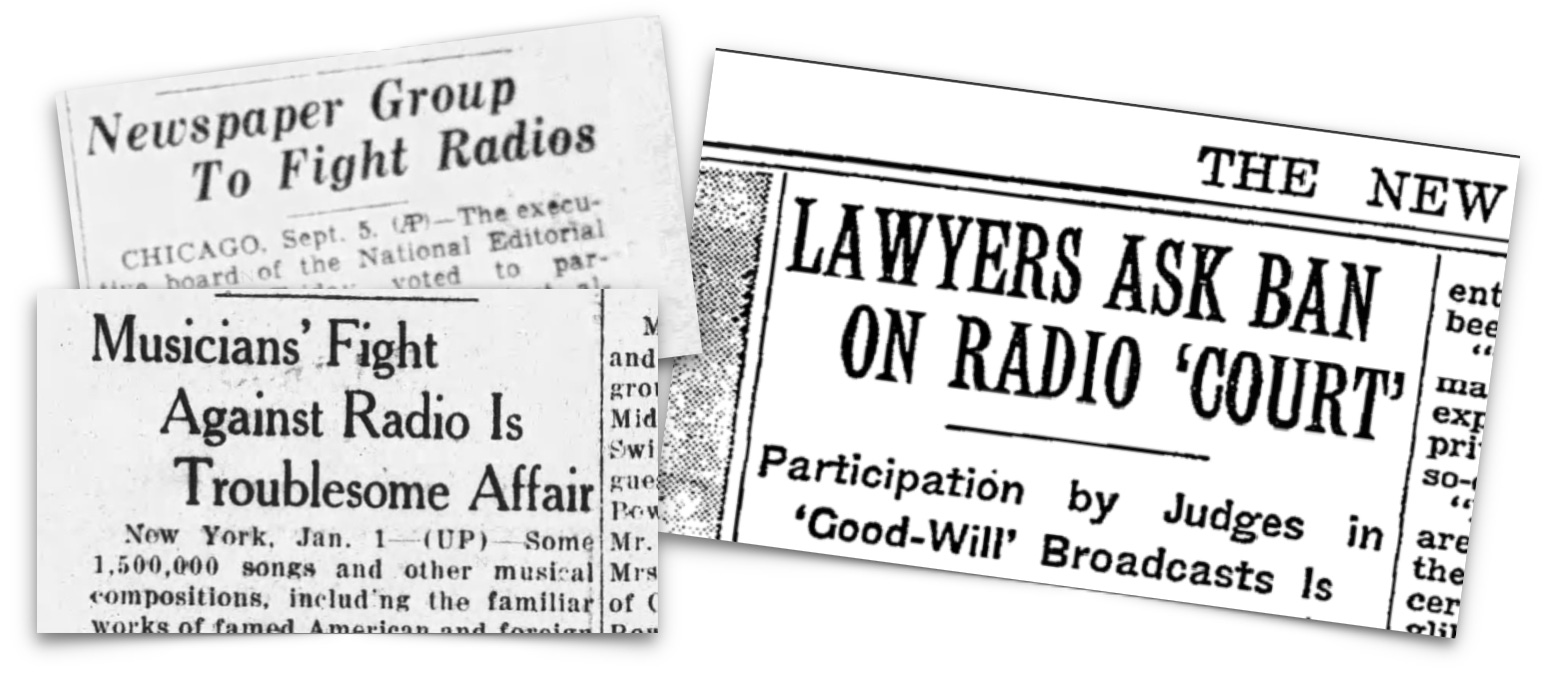
Why? A New York radio program called ‘Good Will Court’ featuring real defendants receiving legal advice - often because they could not afford a lawyer - acted as ‘canned counsel’ for listeners, cutting out traditional lawyers.
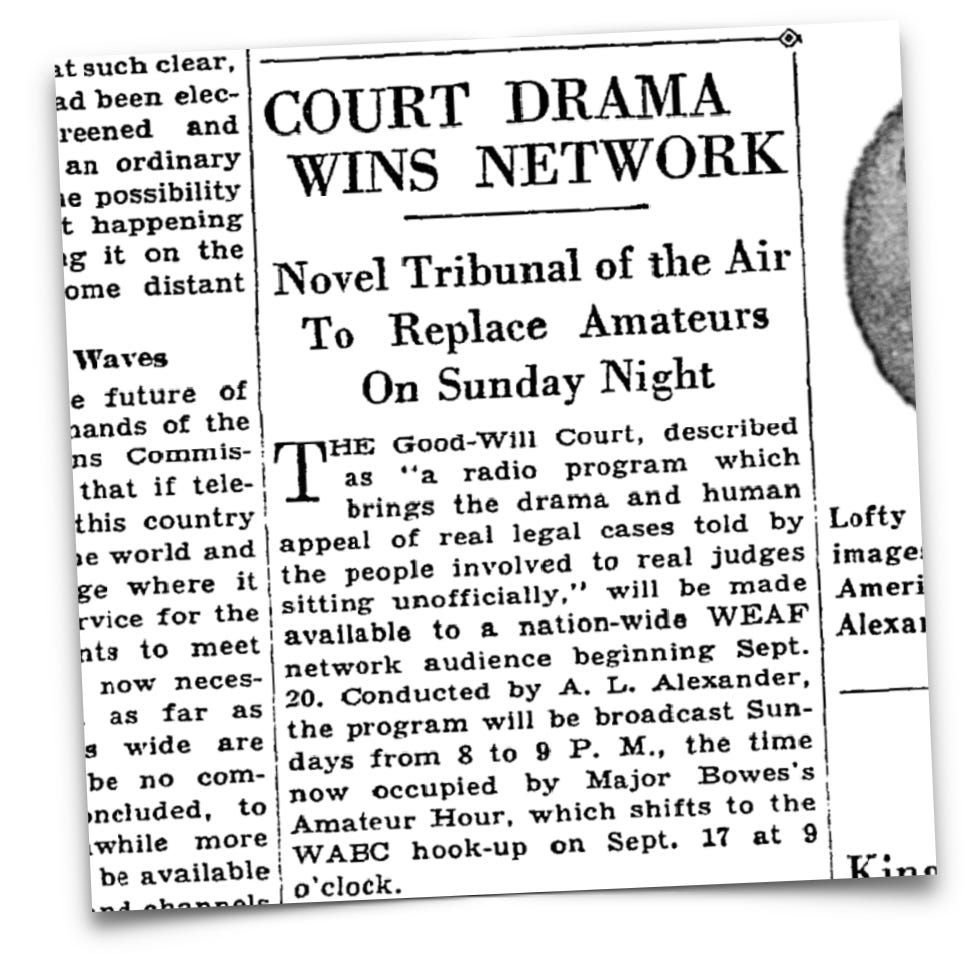
The program became popular fast, by 1936 it secured a national broadcast deal with NBC and soon became one of the top-10 radio shows in America:
The legal profession started to take notice, as one paper put it: when lawyers heard about “free legal opinions dished out to millions of Americans,” they “set up a howl that could never be mistaken for static” fearing “legal instructions from a cigarette hour.” One lawyer threatened legal action over the shows name and a number of lawyers associations filed complaints.
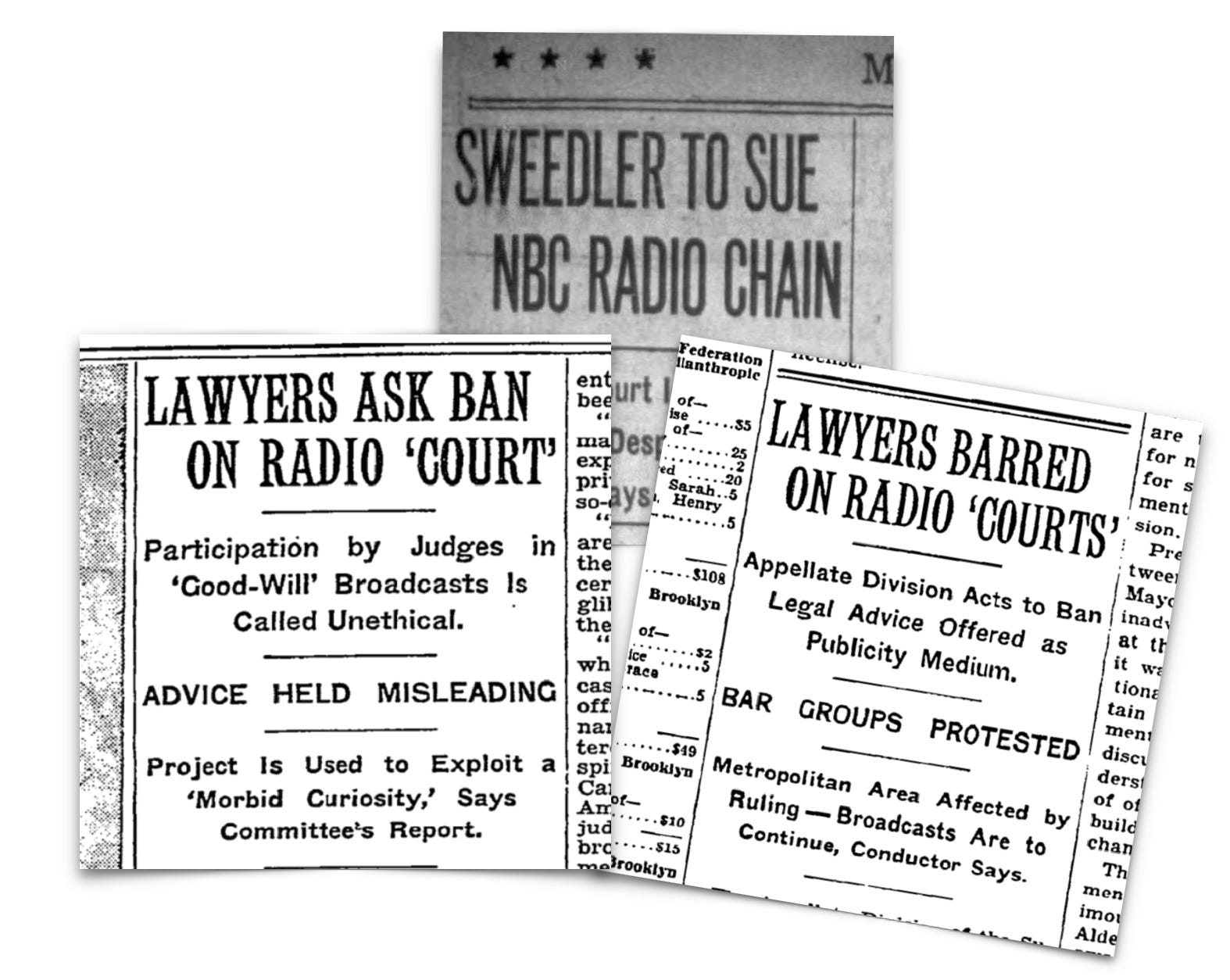
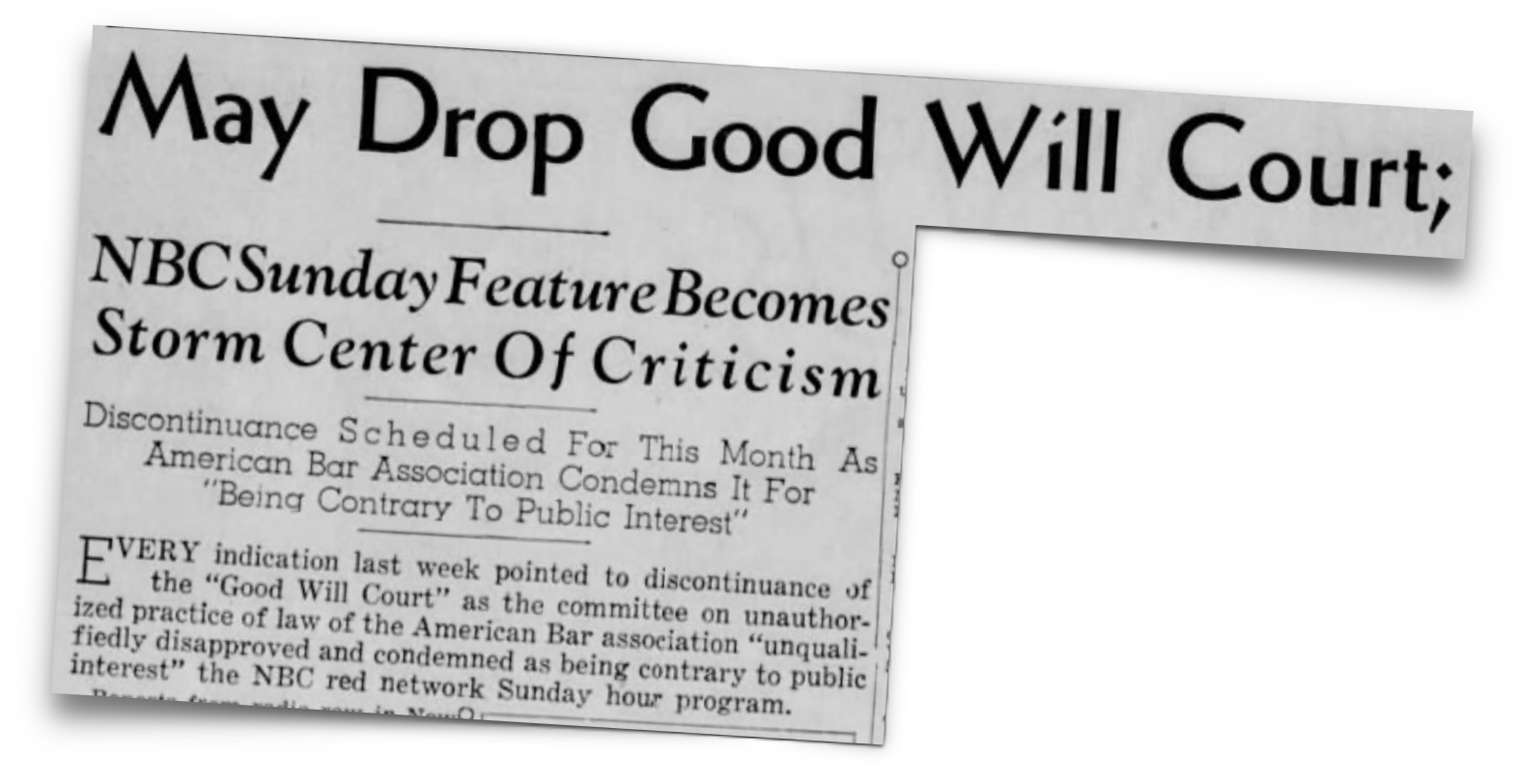
Bar Associations in New York threatened to disbar judges and lawyers that participated in the program. The Chicago Bar Association said it exploited “human misery for commercial purposes” and the American Bar Association said the show was “unqualifiedly disapproved and condemned as being contrary to public interest.”
The New York supreme court was asked to give its opinion on the matter, a memorandum given in defense of the show called the barring of legal pros from appearing a “gross interference with the freedom of speech and of thought” pursued selfishly “for the fancied benefit of some particular class” that would “restrict the liberties and opportunities of the whole community.”
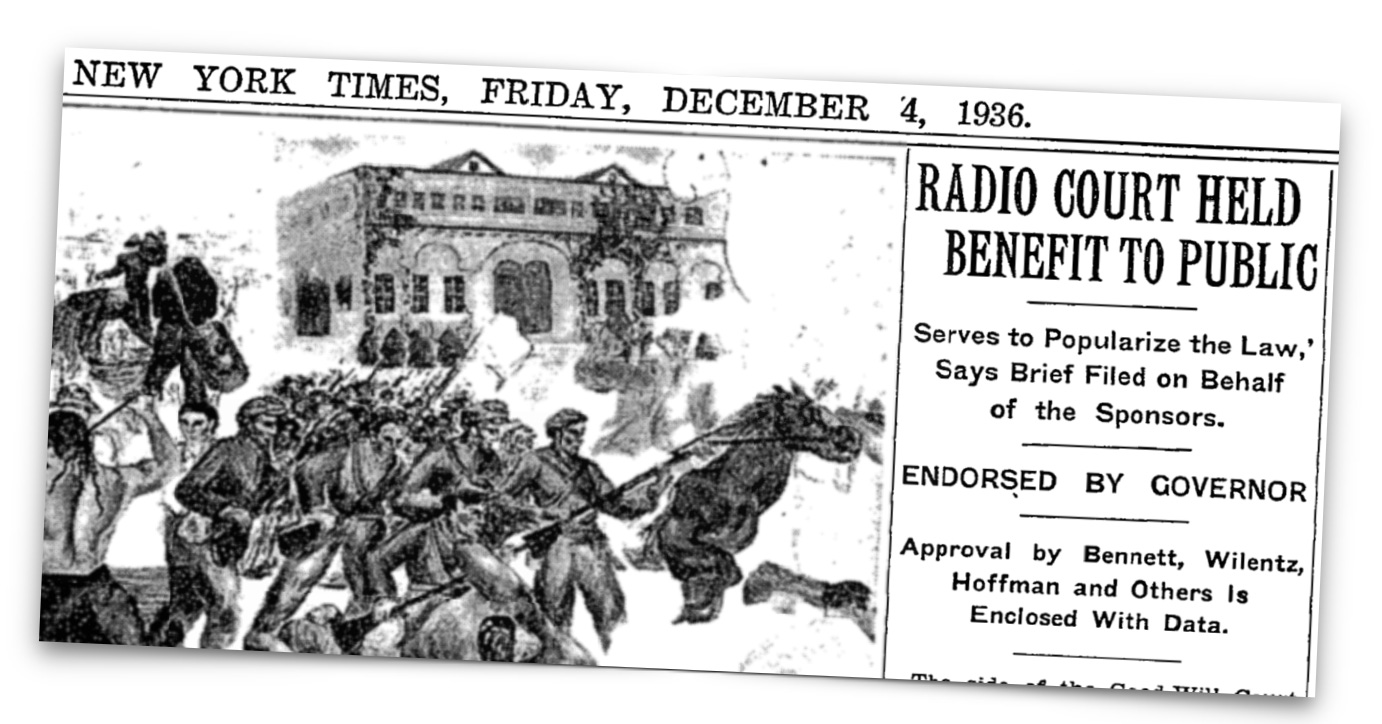
The memorandum would finish with a pithy remark: “if such a force as this for social betterment is contrary to law, then there is something wrong with the law.”
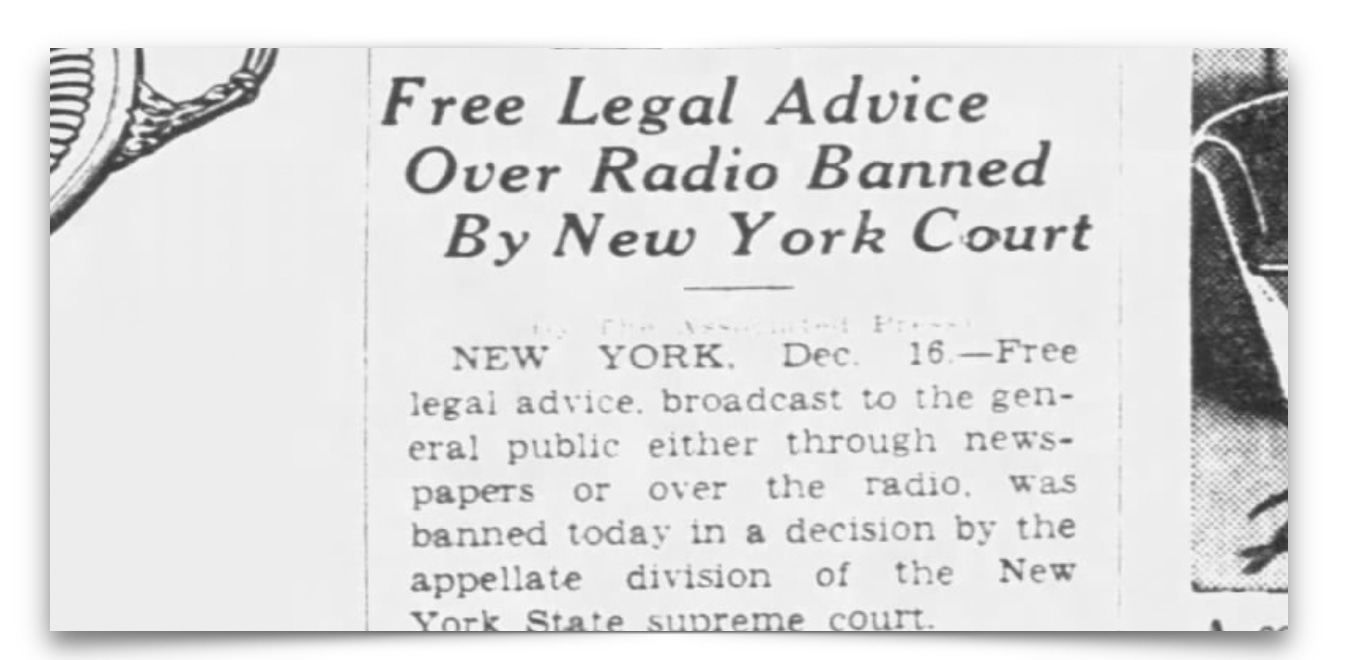
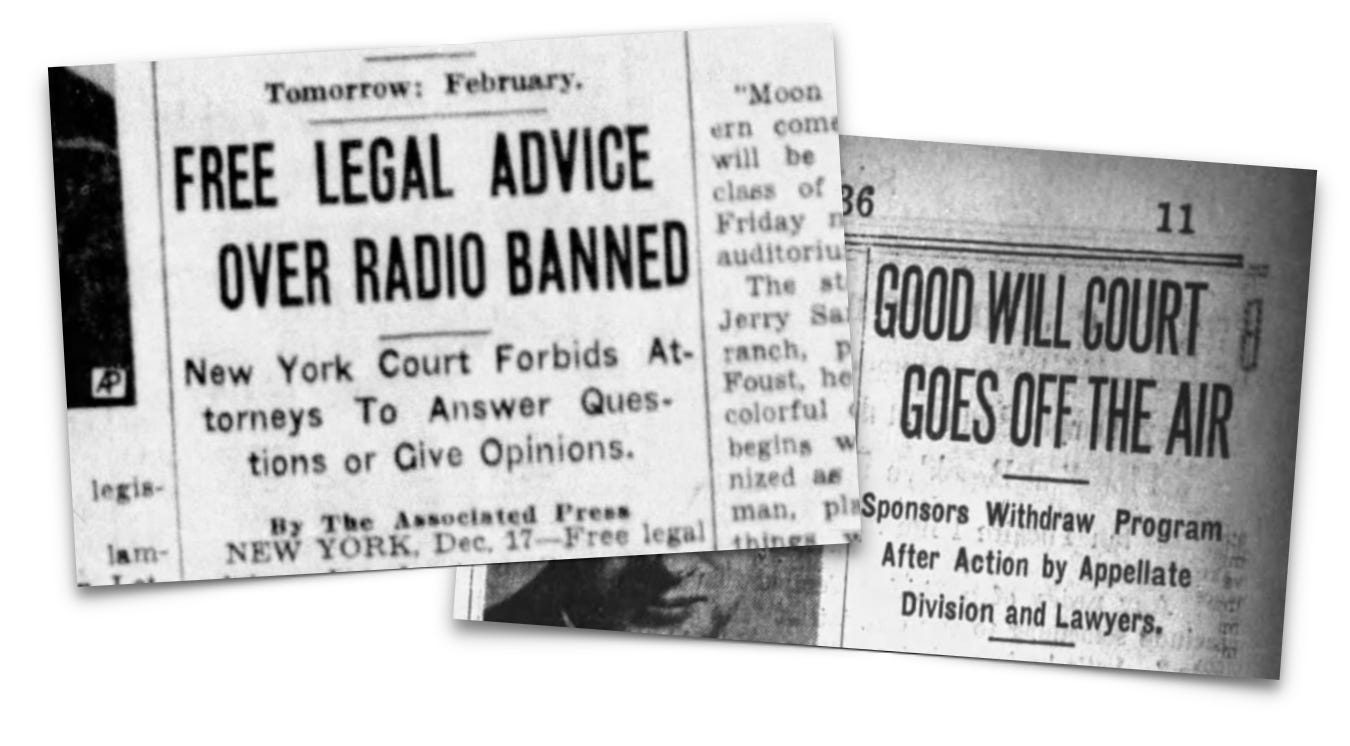
The defense fell on deaf ears, the court ruled that any attorneys that gave free legal advice over radio - or any other publicity medium like newspapers - would be deemed guilty of professional misconduct. ‘Good Will Court’ lost its sponsors and the show went off the air.
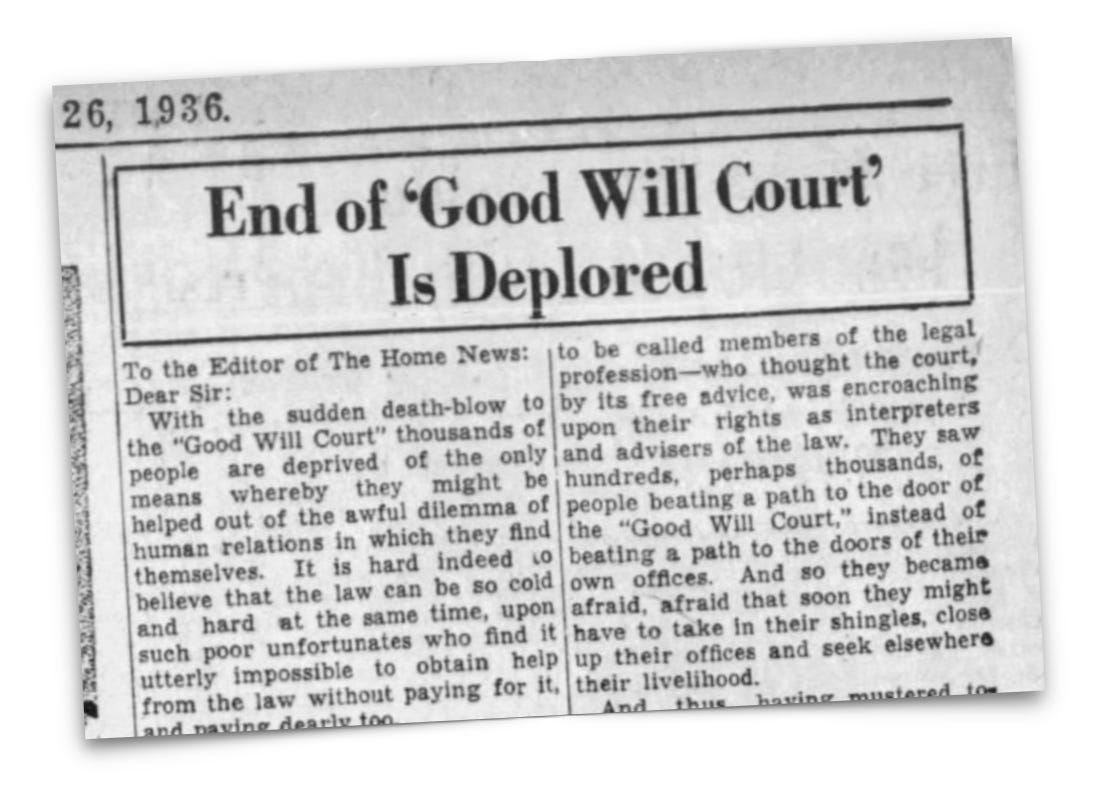
Some were incensed that access to free legal advice was diminished, deploring “greedy lawyers” who saw “perhaps thousands, of people beating a path to the door of the “Good Will Court,” instead of beating a path to the doors of their own offices.”